


Statistical Methodology Series 9 – Engendering informality project
The report provides an overview of the labour force survey pilot studies carried out by the ILO Department of Statistics in Uganda and Peru under the Engendering Informality Statistics project funded by the Bill & Melinda Gates Foundation. The main activity of the project was to test statistical concepts and measurement approaches in household survey questionnaires to generate evidence on what works when collecting data with a gender lens.
Statistical Methodology Series 9 – Engendering informality project Read More »
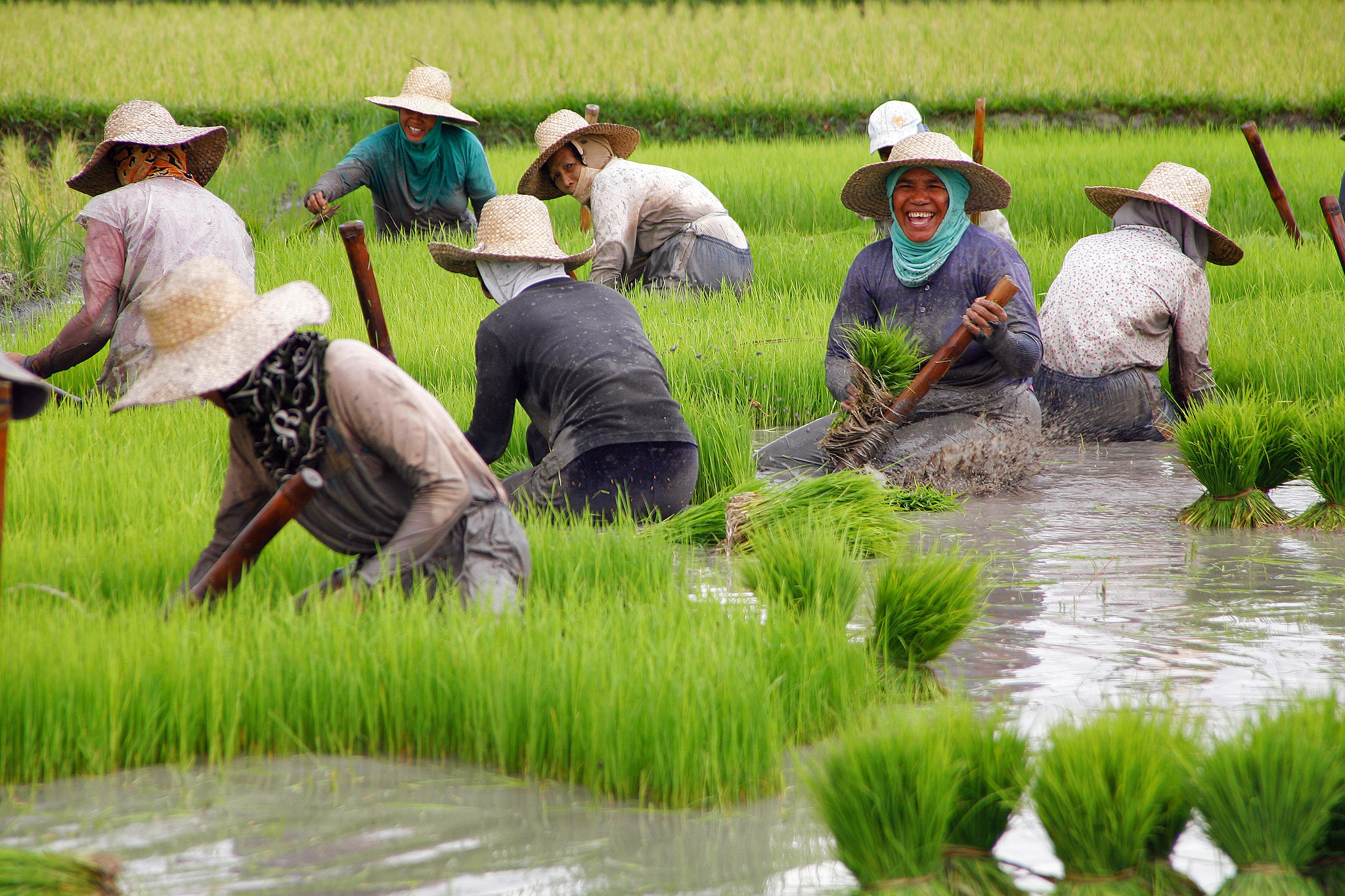
New standards, increased visibility: improving measurement of the informal economy
New statistical standards will improve the measurement of the informal economy, providing more useful and complete data to address informality through targeted policies.
New standards, increased visibility: improving measurement of the informal economy Read More »

Resolution concerning statistics on the informal economy
This resolution aims to set standards for statistics on the informal economy. It defines the statistical concepts of informal productive activities, the informal economy, the informal market economy and informal work and provides operational concepts, definitions and guidelines for the statistical measurement of its components.
Resolution concerning statistics on the informal economy Read More »

Assessing the current state of the global labour market: implications for achieving the Global Goals
The Sustainable Development Goals (SDGs) are a set of 17 global goals to end poverty, protect the planet, and ensure prosperity for all. But with the COVID-19 pandemic upending the global labour market in recent years, progress towards achieving these goals has been disrupted. From rising unemployment and informal work to slowing productivity growth and persistent gender inequalities, the pandemic has highlighted the need for urgent action to build a more resilient and equitable world of work.

Engendering informality statistics: gaps and opportunities
This working paper explores the demand for gender data on informality and the measurement challenges faced, and highlights the opportunities emerging from the revision of statistical standards on informality that are set to be adopted in 2023.
Engendering informality statistics: gaps and opportunities Read More »
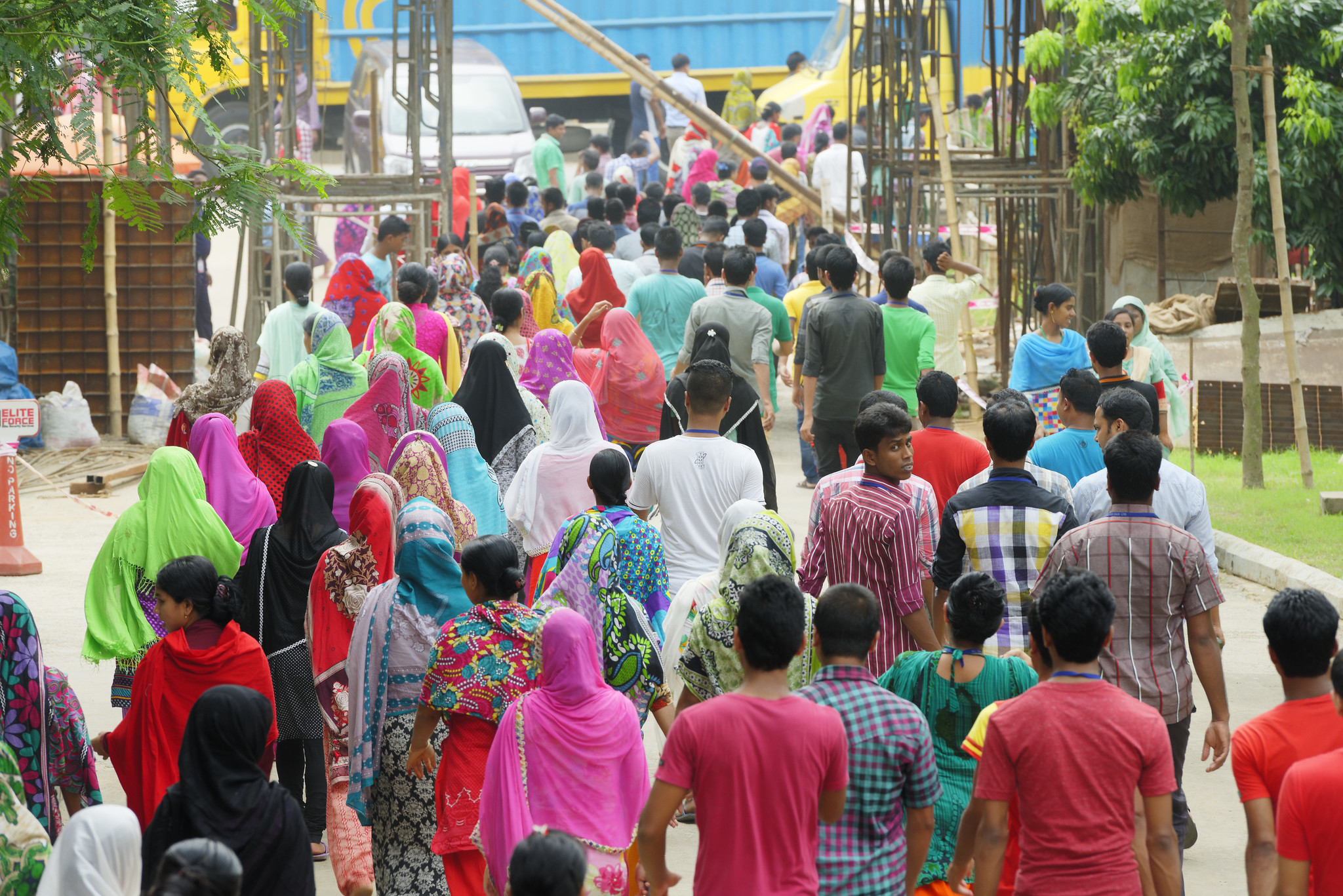
Labour Force Statistics (LFS, STLFS, RURBAN databases)
Concise description of concepts and definitions, uses, sources and limitations for labour force statistics in various databases (LFS, STLFS, RURBAN).
Labour Force Statistics (LFS, STLFS, RURBAN databases) Read More »
Labour Market-Related SDG Indicators (ILOSDG database)
Concise description of concepts and definitions, uses, sources and limitations for labour market-related sustainable development indicators.
Labour Market-Related SDG Indicators (ILOSDG database) Read More »

Labour statistics: From standards to data
This free masterclass is available on eCampus, ITCILO’s online learning platform.
Watch the 9 video lessons to hear directly from Senior Experts in the ILO Department of Statistics about the challenges and developments countries are facing nowadays in what concerns labour statistics, and how International Statistical Standards are instrumental in developing statistical systems global in order to pave the way for a better future that promotes social justice through decent work.
Labour statistics: From standards to data Read More »

How women are being left behind in the quest for decent work for all
The United Nations’ Sustainable Development Goals set out a shared vision to end poverty, fight inequality and injustice, and tackle climate change by 2030. Will the pandemic reverse progress in advancing decent work for all as prescribed under Goal 8? It seems likely, at least for women.
How women are being left behind in the quest for decent work for all Read More »